
Dry yogurt is one of those simple kitchen transformations that feels almost magical. By straining regular yogurt to remove excess liquid, you create a thicker, richer spread that’s as versatile as it is delicious. From Middle Eastern labneh drizzled with olive oil to healthy cheesecake fillings, dry yogurt has earned its place in both traditional and modern cooking. I first discovered it while exploring new weeknight recipes for my family, and it quickly became a fridge staple. In this article, we’ll explore what dry yogurt is, why it’s worth making, and how to enjoy it in everything from savory dips to sweet treats.

Table of Contents
Dry Yogurt Recipe: Easy Creamy Spread You’ll Want Every Week

Dry yogurt (Labneh) is thick, creamy, tangy, and made by straining regular yogurt. It’s great as a spread, dip, or savory topping.
- Prep Time: 5 minutes
- Cook Time: 12 hours
- Total Time: 12 hours 5 minutes
- Yield: 1.5 cups 1x
- Category: Snack
- Method: Straining
- Cuisine: Middle Eastern
- Diet: Vegetarian
Ingredients
2 cups plain whole milk yogurt
1/2 tsp salt (optional)
Cheesecloth or muslin
Strainer
Deep bowl
Instructions
1. Line strainer with cheesecloth and place it over a bowl.
2. Spoon yogurt into the cloth and cover.
3. Refrigerate and strain for 12–24 hours.
4. Transfer to a jar or container.
5. Add salt or olive oil if desired.
Notes
Strain longer for thicker texture.
Save the whey for smoothies or soups.
Add garlic, herbs, or chili flakes for flavor.
Nutrition
- Serving Size: 2 tbsp
- Calories: 40
- Sugar: 1g
- Sodium: 20mg
- Fat: 2g
- Saturated Fat: 1g
- Unsaturated Fat: 1g
- Trans Fat: 0g
- Carbohydrates: 2g
- Fiber: 0g
- Protein: 3g
- Cholesterol: 5mg
From Frozen Pizza to Homemade Labneh
I didn’t grow up making dry yogurt in fact, I barely grew up eating yogurt at all. I was a frozen pizza kid, and proud of it. But once I became a mom, dinner needed to be more than something pulled from a box. I wanted calm, I wanted flavor, and I really wanted something my kids would actually eat without a side of complaints. That’s when I found dry yogurt.
It started as a curiosity. I saw a small container labeled Labneh at a local health store and thought, “What is this creamy magic?” One taste smooth, tangy, and rich and I was sold. I brought it home, spread it on toast, added a drizzle of olive oil, and suddenly, my kids were fighting over yogurt. That was the moment I knew I had to learn how to make it from scratch. Now, it’s a fridge staple in our house and one of my favorite “reset” foods when the week’s gone sideways.
I still remember the first time I made it straining plain yogurt overnight in a dish towel, hoping it wouldn’t all just soak into the counter. The next morning, I had this thick, luscious spread that tasted like I’d spent hours making it. But here’s the secret: making dry yogurt is ridiculously simple.
And the best part? It fits into almost everything. Spread it on warm pita, use it as a dip for roasted veggies, or swirl it into grain bowls. It’s budget-friendly, family-approved, and better than anything you’ll find in a plastic tub just like this yogurt whipping trick.
If you’re looking for that one homemade thing that feels like a treat but is easy enough for a Tuesday, dry yogurt is it.
What Exactly Is Dry Yogurt?
Dry yogurt often called Labneh or hung curd is yogurt that’s been strained to remove most of its whey. This process thickens the texture, intensifies the flavor, and creates a versatile spread or dip. It’s been a staple in Middle Eastern, Mediterranean, and South Asian cuisines for centuries.
What makes it special is its creamy consistency thicker than Greek yogurt, but still soft enough to spread. It tastes a little more tangy and concentrated than regular yogurt, with a texture that’s similar to cream cheese. Best of all, it only takes one ingredient: yogurt. The rest is just time and a bit of patience.
You’ll find it in recipes like whipped Labneh with za’atar and olive oil or in Indian dishes where it’s blended into chutneys or served sweetened for dessert. But more and more, it’s gaining traction here in the U.S. because of its simplicity, shelf-stability, and that signature flavor.
Why Dry Yogurt Is Worth Making
Is Dry Yogurt Healthier Than Regular Yogurt?
Let’s talk nutrition. When you strain yogurt to remove the liquid whey, what you’re left with is a more concentrated, protein-rich version of the original. That’s the magic of dry yogurt it’s not just thicker, it’s nutritionally denser.
One of the biggest benefits? Protein. Regular yogurt has protein, but once the water is strained out, the protein content per spoonful of dry yogurt goes up. That’s why it’s often used as a post-workout snack or an energy-boosting dip. It also contains probiotics (if you start with live-culture yogurt), calcium, and vitamin B12 so you’re not losing the good stuff.
Dry yogurt is also lower in sugar and carbs. Since much of the lactose (milk sugar) is in the whey, straining removes it. This makes it an appealing option for anyone watching their sugar intake, following a low-carb diet, or managing lactose sensitivity. While it’s not completely lactose-free, many people find it easier to digest than regular yogurt.
And let’s not forget portion control. Because it’s so thick and satisfying, it’s easy to eat less and feel full longer. Spread it on toast, swirl it into soups, or use it as a mayo substitute dry yogurt brings that rich texture without the heaviness of other spreads.
It’s also incredibly versatile for families. I often make it the night before and serve it with breakfast my teens love it with fruit and honey. When you compare it to other spreads or dips on the market (many of which are loaded with stabilizers and artificial flavorings), dry yogurt comes out on top. If you’re already loving dishes like this protein-packed porridge, dry yogurt will fit right into your routine.
For those looking for a satisfying but healthy swap, it’s hard to beat dry yogurt. Pair it with something fun and fresh, like this cucumber and tomato salad hack, and you’ve got an easy win.
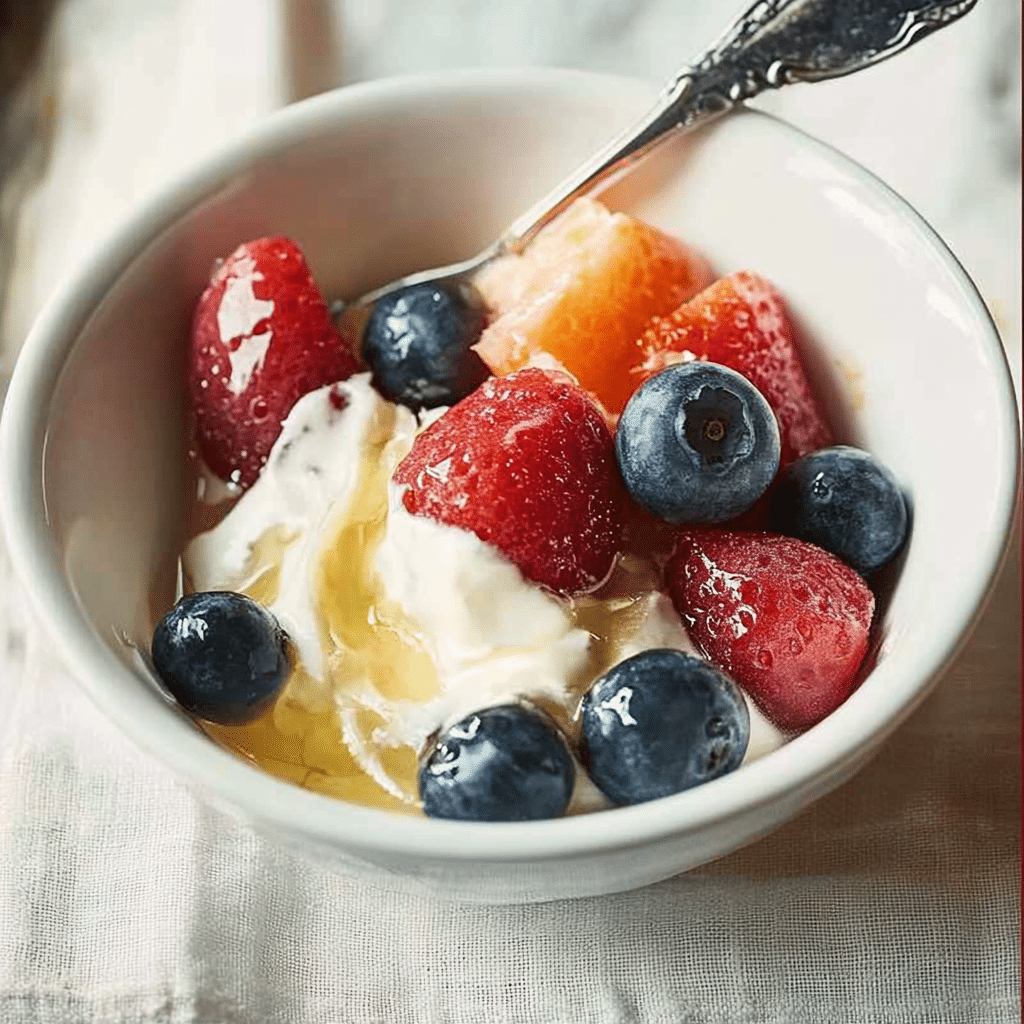
The Tang, the Texture, the Taste
Of course, it’s not just about health. What keeps me making dry yogurt week after week is the flavor. When you remove the whey, you concentrate everything else the tanginess, the creaminess, the satisfaction. It’s the kind of taste that makes plain food suddenly exciting.
Dry yogurt has a cool, clean flavor with a bright tang that’s slightly sharper than Greek yogurt. It doesn’t taste sour, just… deeper. The kind of depth that turns toast into a real breakfast or makes raw veggies taste like a snack you want to eat.
The texture is where dry yogurt really shines. It’s silky, spreadable, and totally luxe. Think cream cheese, but lighter. You can roll it into balls and store them in olive oil, fold it into a grain bowl, or use it as the base for a rich, flavorful dip. When I’m meal prepping, I often pair it with leftovers from the night before it turns even basic proteins into something special.
If you like dips, you’ll love this stuff. Add garlic, herbs, lemon zest, or a sprinkle of za’atar, and it becomes a show-stopper at any gathering. My kids scoop it with pita chips after school. My husband stirs it into spicy rice bowls. And me? I love it just on warm sourdough with a bit of flaked salt.
Compared to other spreadable dairy options, dry yogurt feels homemade and real. No fillers, no fluff just good yogurt made better. Once you try it, you’ll start thinking of all the ways you can use it, from sweet to savory, breakfast to dinner.
How to Make Dry Yogurt at Home
What You’ll Need
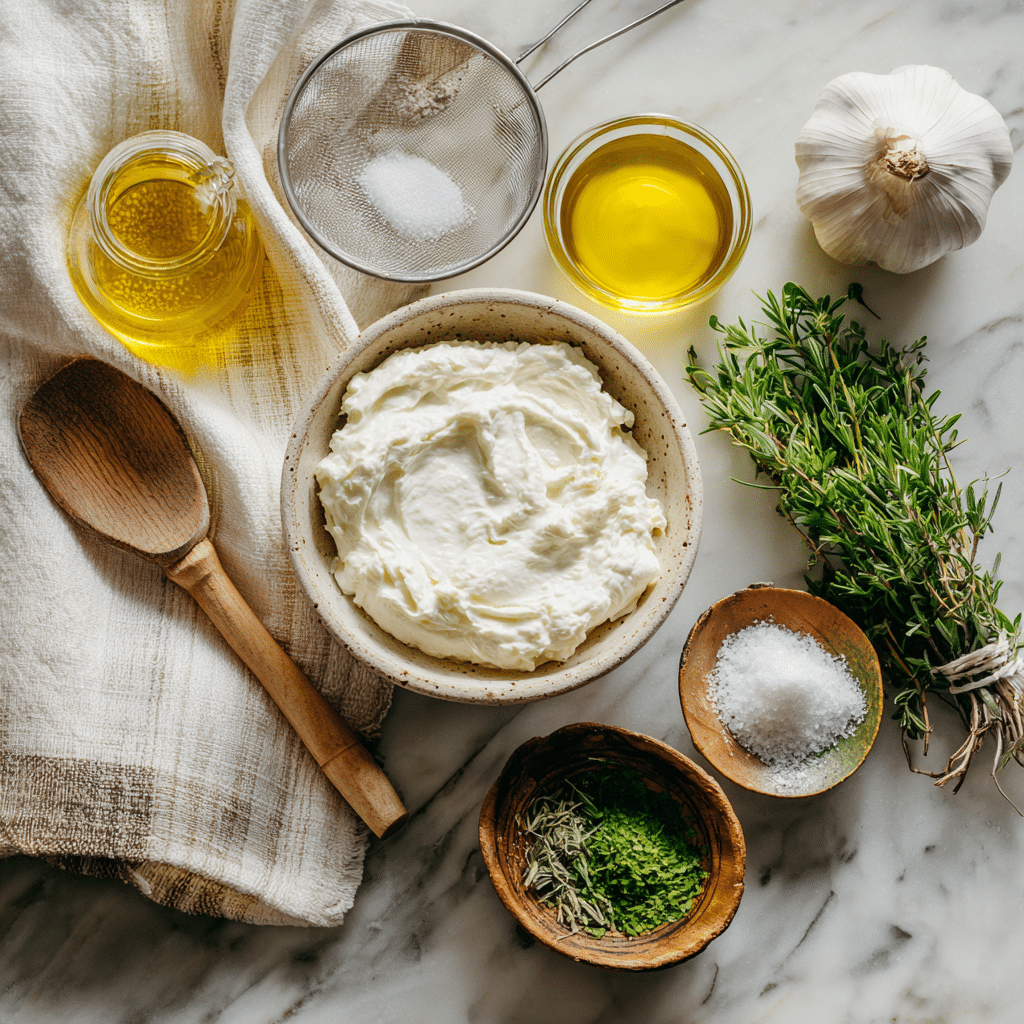
Making dry yogurt at home might sound fancy, but it’s honestly one of the easiest things you can do in your kitchen. You don’t need any special equipment just a few basic tools you already have:
- Plain whole milk yogurt (Greek or regular, unsweetened, with live cultures)
- A clean cheesecloth or muslin cloth
- A fine mesh strainer or colander
- A deep bowl or jug
- Optional: salt, herbs, olive oil, or garlic for flavoring
Start with high-quality yogurt. The better the yogurt, the better the final texture and taste of your dry yogurt. I always go with full-fat for a creamy, luxurious finish, but if you’re aiming for a leaner spread, low-fat works too it just won’t be quite as rich.
If you’re already experimenting with high-protein dairy, you might’ve tried this vegan cottage cheese recipe or homemade protein bagels. Making dry yogurt fits right into that same DIY rhythm it’s just as easy, and arguably more satisfying.
Dry Yogurt Recipe (With Tips)
Here’s how to make your own dry yogurt in four easy steps:
- Line a strainer with a double layer of cheesecloth and place it over a bowl. Make sure there’s enough space under the strainer so the whey can drip without touching the yogurt.
- Spoon in the yogurt. Cover it loosely with a clean kitchen towel or plastic wrap.
- Refrigerate for 12–24 hours. The longer it strains, the thicker it gets. For a soft spread (like cream cheese), strain for 12–16 hours. For a firm texture you can roll into balls, let it go for a full 24 hours.
- Scoop, season, and store. Transfer the strained yogurt to a container. Add salt or flavorings if desired. Store in the fridge for up to a week.
If you want to get creative, mix in fresh herbs, garlic, lemon zest, or even chili flakes. For a Mediterranean-style snack, roll small portions into balls and submerge them in olive oil this adds flavor and increases shelf life.
One small note: don’t toss the leftover whey. It’s loaded with protein and can be used in smoothies, soups, or even homemade bread. It’s another example of how this one-step process gives you double the value.
Once you’ve made it once, you’ll find yourself doing it regularly. It’s one of those zero-effort, high-reward recipes that make home cooking feel effortless.
Dry Yogurt Recipes and Storage Tips
What To Do With Dry Yogurt
Now that you’ve mastered the basic technique, let’s talk about how to actually use dry yogurt in everyday meals. This is where it gets fun because dry yogurt isn’t just a healthy option, it’s insanely versatile.
The most popular use? As a creamy spread. Add a pinch of salt, a swirl of olive oil, and maybe a sprinkle of za’atar or sumac, and you’ve got a classic Middle Eastern Labneh. Serve it with warm flatbread or toasted sourdough, and it instantly upgrades your snack plate.
I love using it in bowls grain bowls, taco bowls, and even breakfast bowls. It adds a tangy richness that pulls the whole dish together. Try topping it with roasted veggies and crispy chickpeas for a hearty lunch. You can even mix it with honey and berries for a quick protein-packed breakfast, similar to how you might serve this protein cookie dough treat.
Dry yogurt is also a perfect sub for mayo or sour cream. It holds its own in wraps, sandwiches, and even salad dressings. Blend it with garlic, lemon, and herbs for a zesty dip that disappears at parties.
If you’re feeling adventurous, whip it into your desserts. It pairs beautifully with dark chocolate or citrus flavors just like the tangy contrast in this pineapple cucumber salad recipe. Honestly, once you start experimenting, the possibilities are endless.
How Long Does It Last?
When stored correctly, homemade dry yogurt lasts up to 7 days in the fridge. Keep it in an airtight container and always use a clean spoon to avoid contamination.
Want to make it last even longer? You can store Labneh balls submerged in olive oil, refrigerated, for up to 2 weeks. This method adds flavor and helps preserve that creamy texture.
Here’s a quick tip: if the dry yogurt seems a little too thick after a day or two, you can stir in a splash of whey (if you saved it) or a bit of fresh yogurt to loosen it up. It’ll bounce right back to spreadable perfection.
Don’t freeze dry yogurt it changes the texture. But if you plan ahead, you can batch-make it weekly and have it ready to go for breakfasts, snacks, or lunches. It also travels well, so it’s great for lunchboxes or road trips.
Dry yogurt gives you more control over ingredients, salt, and texture something that packaged options just don’t offer. It’s fresh, flexible, and incredibly rewarding.
Conclusion
If there’s one thing I’ve learned on my cooking journey, it’s that the simplest foods often make the biggest impact. Dry yogurt is a perfect example of that. With just one ingredient and a little time, you can turn plain yogurt into something magical something that elevates your meals, satisfies your cravings, and actually feels good to eat.
From hectic school mornings to laid-back weekend brunches, dry yogurt has become one of those little kitchen wins I rely on again and again. It’s easy, it’s healthy, and it always disappears fast.
So if you’ve never made it before, now’s the time. Give it a try you might just find your new favorite fridge staple.
For more recipes follow me on Facebook and Pinterest
What is a dry yogurt?
Dry yogurt is simply yogurt that has been strained to remove its liquid whey, resulting in a thick, creamy consistency similar to cream cheese. Also known as Labneh or hung curd, it’s commonly used in Middle Eastern, Indian, and Mediterranean cuisine as a spread, dip, or ingredient in both savory and sweet dishes.
What is the point of dry yogurt?
The main purpose of dry yogurt is to create a more concentrated, rich product from plain yogurt. By removing the water, you get a thicker texture and a stronger tangy flavor. It’s perfect for those who want a healthy, spreadable dairy alternative that works well in dips, sauces, wraps, and breakfast bowls.
Is dry yogurt healthier than regular yogurt?
Yes, in many ways. Dry yogurt has a higher protein concentration, fewer carbohydrates, and often less lactose per spoonful compared to regular yogurt. It’s more filling, easier to digest for some, and free from additives if you make it at home. It’s a great substitute for sour cream or cream cheese.
How do you make dry yogurt?
To make dry yogurt, you strain plain yogurt through cheesecloth for 12–24 hours to remove the whey. The longer you strain it, the thicker it gets. Add salt, herbs, or other flavors if desired. Store in the fridge and enjoy as a spread, dip, or ingredient in various dishes.

Hi, I’m Lina! I’m a 43-year-old home cook and mom of two, serving up easy, soul-hugging recipes for real-life families. Join me for delicious and reliable baking recipes. Everything from cakes, brownies, cheese cake and cookies to bars, quick breads, and more. Every recipe is tested, perfected, and made to inspire confidence in your kitchen. Happy baking!