
A Hugo Spritz recipe is exactly what summer calls for light, floral, and fizzy with just the right touch of sweetness. This article walks you through everything you need to know to make the perfect Hugo Spritz at home. We’ll start with its charming backstory and the simple ingredients that make it so popular, then get into the best ratios, variations, and how to enjoy it alcohol-free. If you’re hosting, lounging on your porch, or looking for a new go-to Prosecco cocktail, this guide will help you get it right every time.
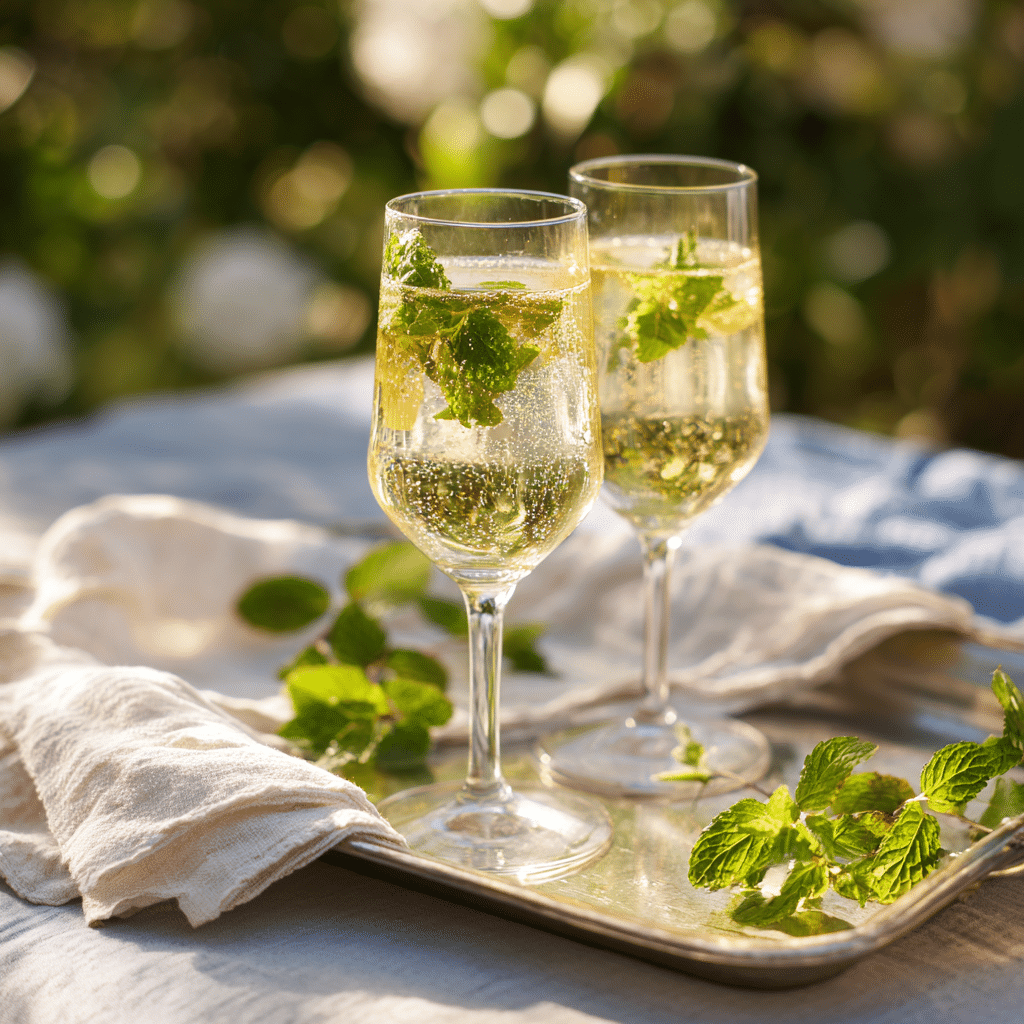
Table of Contents
Hugo Spritz Recipe: Light, Refreshing & Easy Summer Cocktail
A refreshing and floral Italian-inspired cocktail made with Prosecco, elderflower liqueur, soda water, mint, and lime.
- Prep Time: 5 minutes
- Total Time: 5 minutes
- Yield: 1 cocktail 1x
- Category: Drinks
- Method: Stirred
- Cuisine: Italian
- Diet: Vegetarian
Ingredients
3 oz chilled Prosecco
2 oz soda water
1 oz elderflower liqueur
Fresh mint sprigs
Lime slices
Ice cubes
Instructions
1. Fill a large wine glass with ice.
2. Add 1 oz elderflower liqueur.
3. Pour in 3 oz Prosecco.
4. Add 2 oz soda water.
5. Stir gently.
6. Garnish with fresh mint and lime.
Notes
For a non-alcoholic version, use sparkling white grape juice and elderflower syrup.
Use large ice cubes to prevent dilution.
Try lemon balm or cucumber for fresh twists.
Nutrition
- Serving Size: 1 glass
- Calories: 130
- Sugar: 7g
- Sodium: 10mg
- Fat: 0g
- Saturated Fat: 0g
- Unsaturated Fat: 0g
- Trans Fat: 0g
- Carbohydrates: 10g
- Fiber: 0g
- Protein: 0g
- Cholesterol: 0mg
Hugo Spritz Recipe: A Light, Floral Cocktail You’ll Love
The Story Behind My First Hugo Spritz
A few summers ago, on a family trip to the mountains just outside Asheville, my husband and I were invited to a neighbor’s garden party. Kids running barefoot, strings of lights overhead, and a big glass drink dispenser glistening with something pale and bubbly. “It’s a Hugo,” our host said with a wink and that was my first introduction to the Hugo Spritz recipe.
Back then, I had no idea the Hugo Spritz recipe originated in Northern Italy I just knew I’d make it again. The light elderflower flavor, refreshing mint, and crisp Prosecco finish made this Hugo Spritz the perfect cocktail for someone like me who’s never been into overly boozy or bitter drinks.
I came home and got to work tweaking the balance to find that sweet spot: not too syrupy, plenty of fizz, and easy enough to mix even when I’ve got a laundry pile waiting. This Hugo Spritz recipe became a go-to on warm evenings when I just needed something simple and delightful to cap off the day. My husband, who still can’t tell gin from vermouth, even learned to make it himself. That’s saying something.
The best part about the Hugo Spritz recipe? It takes less than five minutes and requires no cocktail shaker or fancy tools just a glass, some ice, and a few quality ingredients. Over time, I found ways to make this Hugo Spritz even more weeknight-friendly, from batching it for easy entertaining to skipping the alcohol without losing its signature sparkle.
Whether you’ve had one before or you’re totally new to this drink, this Hugo Spritz recipe is worth knowing. It’s fresh, low-effort, and feels a little bit special just like summer should.
Simple Ingredients, Perfect Ratio
What Goes Into a Classic Hugo Spritz?
The beauty of the Hugo Spritz recipe is its simplicity. You don’t need a bar cart full of bottles just five main ingredients and a little ice. Here’s what you’ll need for one perfect glass:
- Prosecco: This sparkling Italian wine is the backbone. Choose a dry one (labeled “Brut”) so the drink doesn’t become too sweet.
- Elderflower liqueur: Traditionally, bartenders use St-Germain, but any good-quality elderflower liqueur will work.
- Soda water: Just a splash for dilution and added sparkle.
- Fresh mint: A few sprigs go a long way in enhancing the drink’s herbal brightness.
- Lime slices: Not every recipe calls for them, but I never skip this garnish. It balances the floral notes with a touch of acidity.
Optional but fun: try freezing edible flowers or mint leaves into your ice cubes for a pretty twist.
If you’re new to the Hugo Spritz recipe, it’s worth noting that elderflower liqueur brings a delicate, fragrant flavor somewhere between soft floral notes and pear-like sweetness. When balanced properly in a Hugo Spritz, it transforms the cocktail into something refreshingly light and elegant, never overly syrupy.
The Ideal Hugo Spritz Ratio
When I first started making Hugo Spritz recipe at home, I played with the ratio a lot. Too much soda and it tasted watered down. Too much liqueur and it was more dessert than cocktail. The golden rule that works every time?
Ratio: 3 parts Prosecco : 2 parts soda water : 1 part elderflower liqueur
Here’s what that looks like in ounces:
| Ingredient | Amount |
|---|---|
| Prosecco | 3 oz |
| Soda water | 2 oz |
| Elderflower liqueur | 1 oz |
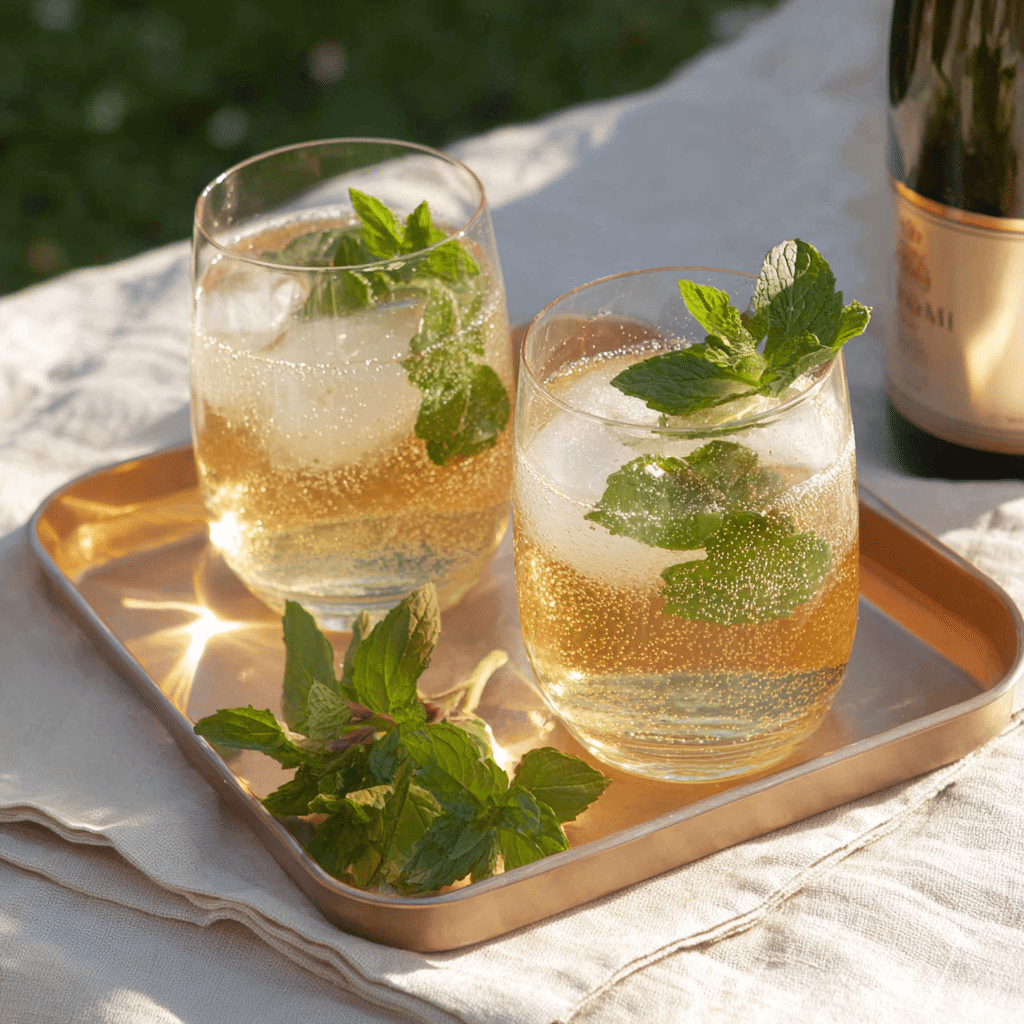
Pour it over ice in a large wine glass, stir gently, then top with mint and lime. That’s it.
Variations of the Hugo Spritz Recipe
How to Make a Hugo Spritz Without Alcohol
If you’re skipping alcohol but still want a glass of something that feels special, the Hugo Spritz adapts beautifully. I’ve made this version on school nights, during dry January, and for baby showers it always gets rave reviews.
To make a non-alcoholic Hugo Spritz recipe, here’s what you need:
- Sparkling white grape juice or non-alcoholic Prosecco: This keeps the effervescence without the booze.
- Elderflower syrup: Found in most European grocery aisles or online, this replaces the liqueur and adds that signature floral note.
- Club soda or tonic water: Tonic adds a slight bitter edge, which balances the sweetness of the syrup nicely.
- Mint + lime slices: Still essential for that fresh finish.
Use the same ratio as the original 3 parts sparkling juice, 2 parts soda, 1 part elderflower syrup. Stir gently in a wine glass filled with ice and garnish like you mean it.
Honestly, this mocktail version has saved many a gathering where I wanted to offer something festive that wasn’t sugary soda or plain seltzer. Even the teens ask for a second glass.
Flavor Twists That Still Feel Classic
While the traditional Hugo Spritz recipe is rooted in elderflower and mint, there’s plenty of room to play without straying too far. Here are a few of my favorite spins:
- Lemon balm instead of mint: For a citrus-herbal vibe, especially refreshing in warmer months.
- Cucumber slices: Adds a spa-like feel, particularly in the alcohol-free version.
- Rose water: A drop (literally one) can elevate the floral notes without overwhelming the palate.
- Swap the bubbles: Try a dry cava or a crisp American sparkling wine if you don’t have Prosecco on hand.
If you’re serving a crowd, the Hugo Spritz recipe is perfect for batching. Just multiply the ingredients by 4 or 6 to create a large-format Hugo Spritz in a glass carafe. Set it out with fresh mint, lime slices, and extra ice so guests can garnish their own. It’s one of the easiest and most elegant ways to serve this refreshing cocktail with minimal effort.
Serving the Hugo Spritz with Style
Make It Look as Good as It Tastes
The Hugo Spritz recipe is already elegant by nature, but with just a few simple touches, you can take it from “weeknight wine glass” to “wow, did you hire a bartender?”
Glassware matters. Use a large balloon or stemless wine glass. The shape allows the mint and lime to open up, giving the drink its signature aromatics.
Ice it right. Big cubes or spheres melt slower and keep things crisp without watering down the flavors. Pro tip: freeze a mint leaf or edible flower inside the cubes for a touch of visual magic.
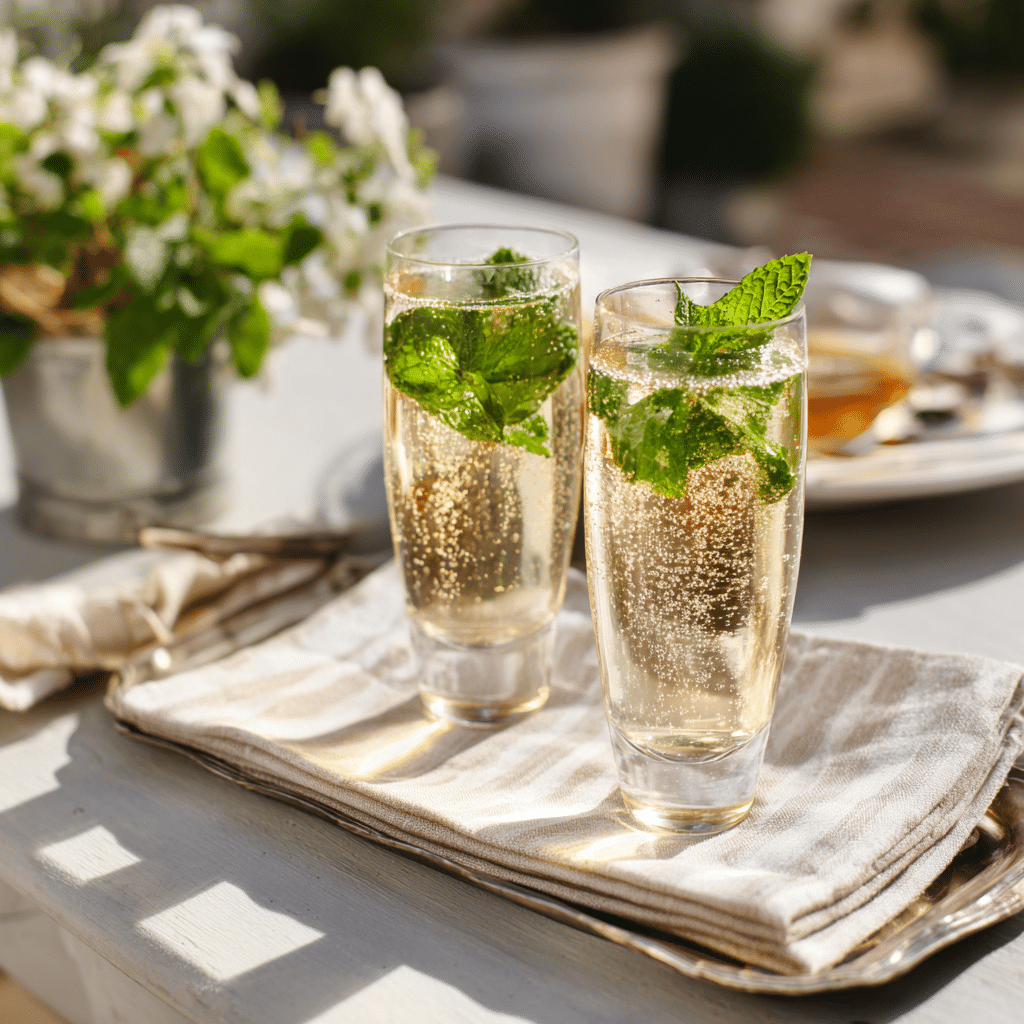
Garnish with purpose. A fresh mint sprig slapped between your hands (yes, really it releases the oils), a thin wheel of lime, or even a twist of lemon peel adds aroma, flavor, and polish.
Batching for a party? Mix the elderflower liqueur and soda water in a carafe, then add the Prosecco just before serving to preserve the fizz. Set up a garnish station so guests can personalize their drink.
When & Where to Serve a Hugo Spritz
There’s no bad time for a Hugo Spritz recipe, but here are a few of my favorite moments to break it out:
- Brunches: Skip the mimosas. This feels lighter and a bit more sophisticated.
- Summer afternoons: Especially great on the porch or patio with a breeze.
- Casual dinners with friends: It’s quick to assemble and looks far more effortful than it is.
- Aperitivo hour: Pair with olives, cheese, or a salty snack before dinner.
Since it’s lower in alcohol than many cocktails, you can offer it as a welcome drink without worrying it’ll overpower the rest of the evening.
Conclusion
The Hugo Spritz recipe has a way of making an ordinary evening feel a little extraordinary. With just a few ingredients, it delivers refreshment, flavor, and charm. Whether you’re hosting a brunch, winding down after work, or skipping alcohol altogether, this drink fits the moment. It’s flexible, elegant, and endlessly sippable.
So go ahead pick up some Prosecco, snip some mint from the garden, and enjoy a glass. From my slightly chaotic kitchen to yours, I hope this Hugo Spritz brings a little sparkle to your day.
What are the ingredients of a Hugo Spritz?
A classic Hugo Spritz recipe includes Prosecco, elderflower liqueur (like St-Germain), soda water, fresh mint, and lime slices. It’s traditionally served over ice in a large wine glass for a refreshing and aromatic cocktail.
What is the difference between a Hugo Spritz and an Aperol Spritz?
The Hugo Spritz uses elderflower liqueur, while the Aperol Spritz features bitter orange Aperol. Hugos are lighter, floral, and subtly sweet, whereas Aperol Spritz is more bitter and citrus-forward. Both use Prosecco and soda water, but they offer distinct flavor profiles.
What is the ratio for Hugo?
The ideal Hugo Spritz ratio is 3:2:1 that’s 3 parts Prosecco, 2 parts soda water, and 1 part elderflower liqueur. This keeps it balanced: not too sweet, not too weak, and just bubbly enough.
How do you make a Hugo Spritz without gin?
Traditional Hugo Spritz recipes don’t contain gin, so no swap is needed. However, if you want a twist, you could add a splash of gin for a botanical punch but it’s totally optional and not part of the original.
How to make Hugo at home?
Just pour 3 oz Prosecco, 2 oz soda water, and 1 oz elderflower liqueur over ice in a wine glass. Stir gently, then garnish with fresh mint and lime slices. That’s it no special tools or bar skills required.

Hi, I’m Lina! I’m a 43-year-old home cook and mom of two, serving up easy, soul-hugging recipes for real-life families. Join me for delicious and reliable baking recipes. Everything from cakes, brownies, cheese cake and cookies to bars, quick breads, and more. Every recipe is tested, perfected, and made to inspire confidence in your kitchen. Happy baking!