
Lemon Balm Recipe lovers, this one’s for you. If you’re anything like me, you’ve probably walked by lemon balm in the garden center without realizing the magic it holds. I first planted it on a whim mostly because it smelled nice and had “lemon” in the name. But a few months later, with two teens complaining of stress and me on the hunt for calming, natural remedies that didn’t involve steep pharmacy bills, that leafy little herb became a go-to hero.
This lemon balm recipe isn’t just about flavor; it’s about ritual. Something soothing, simple, and actually healing you can stir up in under 10 minutes. Whether you’re aiming to unwind, gently support digestion, or just want a fragrant drink that tastes like summer, this one’s a keeper. I’ll also show you how to pair it with pantry staples and even sneak it into things like iced teas and homemade popsicles.
This isn’t just another lemon balm recipe it’s one your family will keep asking for. And yes, even the picky ones.
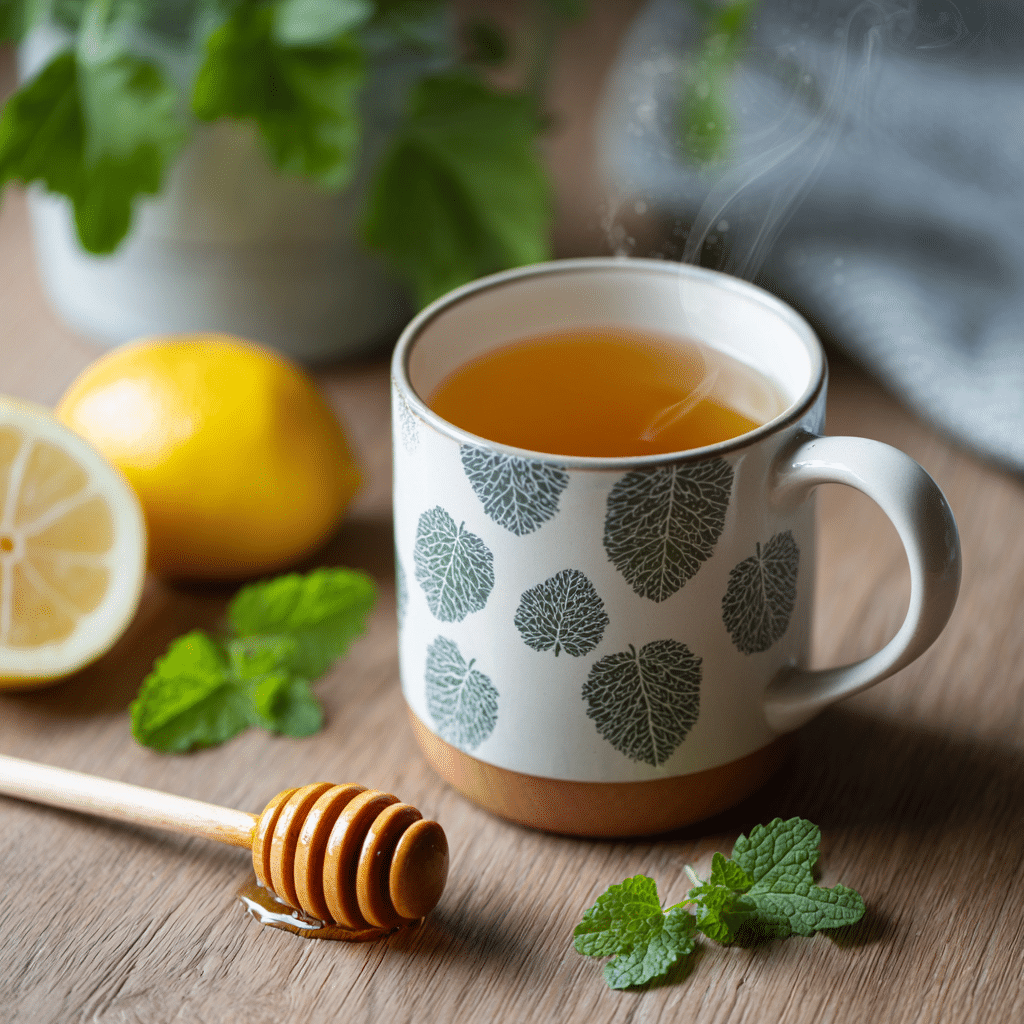
Table of Contents
Lemon Balm Recipe That’s Refreshing, Healing & Easy to Make

A soothing lemon balm recipe made with fresh or dried leaves, perfect for calming nerves and refreshing the body.
- Prep Time: 5 minutes
- Cook Time: 0 minutes
- Total Time: 10 minutes
- Yield: 1 serving 1x
- Category: Drink
- Method: Steeping
- Cuisine: Herbal
Ingredients
1/4 cup fresh lemon balm leaves (or 1 tbsp dried)
8 oz hot water
1 tsp honey (optional)
1 slice lemon (optional)
Mint or ginger (optional additions)
Instructions
1. Crush the lemon balm leaves gently to release oils.
2. Place in a teapot or cup.
3. Pour hot water over the leaves.
4. Cover and steep for 10 minutes.
5. Strain the tea.
6. Add honey or lemon if desired.
7. Serve hot or iced.
Notes
Use dried lemon balm if fresh isn’t available.
Double the recipe for a chilled pitcher.
Add ginger or mint for extra flavor benefits.
Nutrition
- Serving Size: 1 cup
- Calories: 2
- Sugar: 0g
- Sodium: 0mg
- Fat: 0g
- Saturated Fat: 0g
- Unsaturated Fat: 0g
- Trans Fat: 0g
- Carbohydrates: 0g
- Fiber: 0g
- Protein: 0g
- Cholesterol: 0mg
Why Lemon Balm Recipes Are Trending for All the Right Reasons
A Calm Cup in a Chaotic World
There’s a reason lemon balm has become such a buzzword lately. It’s not just the soft lemon-mint flavor that makes it so appealing it’s the calming effect backed by centuries of use. Herbalists have long relied on lemon balm for its natural relaxing properties. Whether you’re tackling stress, restlessness, or the occasional bout of sleeplessness, making a fresh lemon balm recipe, like a simple tea or infusion, can be surprisingly effective. It’s gentle enough for teens (believe me, my daughter’s exam week anxiety says thanks), yet powerful enough for adults juggling hectic days and sleepless nights. Best of all? You don’t need any special tools just fresh lemon balm leaves and hot water.
Pair that with calming drinks like this Japanese pink salt recipe or this stunning strawberry matcha latte, and you’ve got a wellness rotation that tastes as good as it feels.
More Than Just a Tea: Culinary & Medicinal Uses
Looking to go beyond the classic lemon balm recipe for tea? This versatile herb can be whipped into syrups, salad dressings, desserts, and even infused into water. Every lemon balm recipe starts with its signature citrusy aroma, especially when steeped fresh it instantly elevates any drink. But the benefits don’t stop at flavor. Lemon balm contains rosmarinic acid, a powerful compound with antioxidant and antimicrobial properties. So each lemon balm recipe pulls double duty: it’s delicious and supports your immune system. The next time you’re craving a refreshing, health-boosting option, skip the sugary store-bought juice and reach for this naturally caffeine-free, sugar-free lemon balm recipe instead. It’s hydration with purpose calming, cleansing, and perfect for digestion.
As someone who’s learned to lean on ingredients that multitask think fluffy yogurt treats or easy vegan cottage cheese spreads lemon balm has earned its spot in my weekly rotation. It’s not trendy. It’s timeless.
How to Make a Lemon Balm Recipe That Works for You
Simple Lemon Balm Tea (Fresh or Dried)
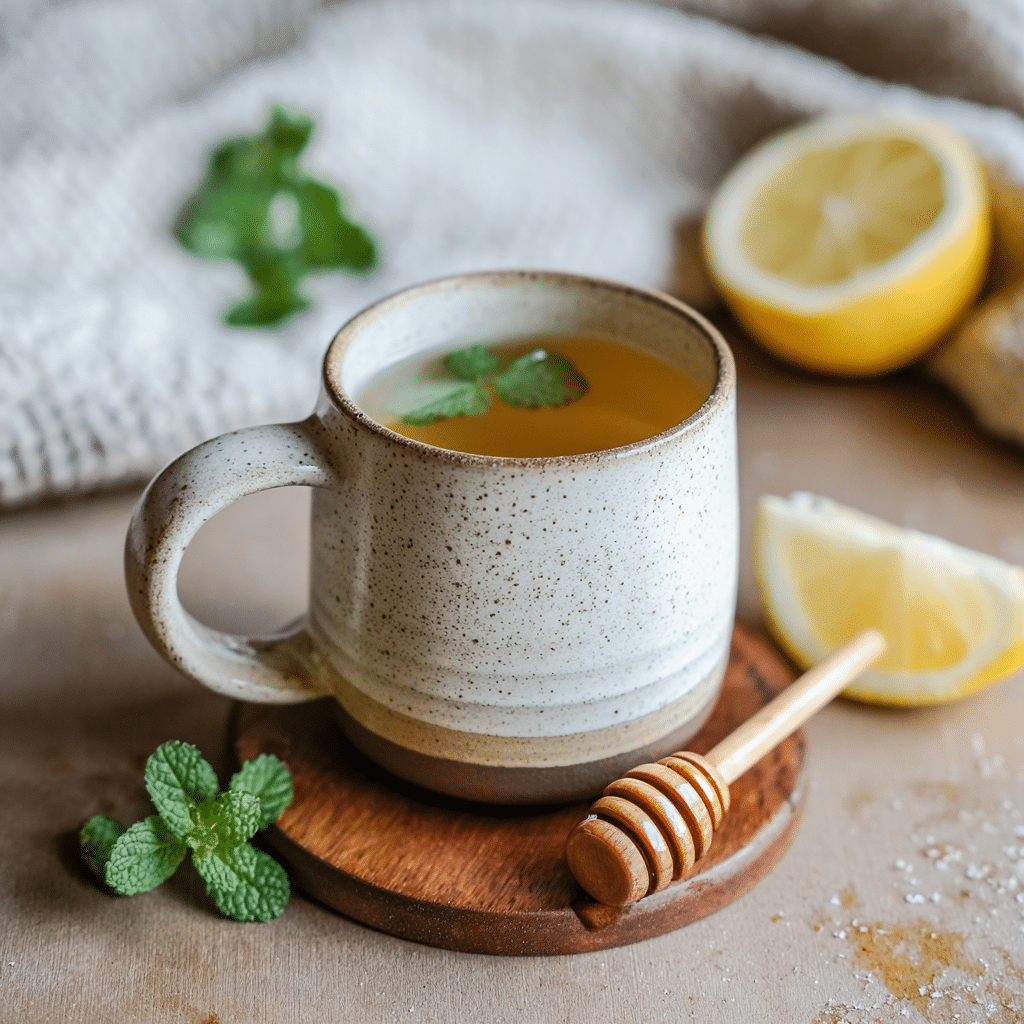
Let’s start with the easiest and most popular lemon balm recipe: tea. This calming herbal brew is quick to make and incredibly versatile. Whether you’ve got a fresh bunch of lemon balm on your windowsill or a jar of dried leaves tucked in the pantry, this go-to lemon balm recipe is always within reach. For a single serving, grab a handful of fresh lemon balm leaves about 1/4 cup or 1 tablespoon dried. Gently crush the leaves to release their soothing oils, pour over 8–10 oz of just-boiled water, cover, and steep for 10 minutes. That’s it. Strain and sip a lemon balm recipe that tastes like calm in a cup.
To level it up, add a slice of fresh ginger or a sprig of mint. A teaspoon of honey brings out the citrus notes without overpowering the delicate flavor. If you’re managing stress, make a batch and chill it for an iced version you can sip throughout the day. Think of it like a reset in a cup perfect for when the afternoon chaos hits.
This tea fits beautifully alongside gentle detox drinks like this pink salt recipe for weight loss or the strawberry matcha trend that’s everywhere right now.
Crafting Lemon Balm Syrup or Tonic
For a more concentrated option, make a simple syrup or tonic. It’s perfect for drizzling over yogurt, stirring into seltzer, or even using as a sleep support shot. To make lemon balm syrup, combine 1 cup of water and 1 cup of sugar in a saucepan. Add 1 cup of fresh lemon balm leaves and gently simmer for 10 minutes. Let it steep as it cools, then strain and store in a clean jar in the fridge for up to 2 weeks.
For a tonic, skip the sugar and swap in a splash of apple cider vinegar and raw honey instead. Let it infuse overnight, then mix 1–2 tablespoons into water and drink in the evening. My husband, who usually resists all things herbal unless disguised as dessert, now actually asks for this after dinner. That’s a win.
If you enjoy experimenting with functional drinks like protein shakes that actually taste good, lemon balm syrup adds a bright herbal note without needing artificial flavors.
Growing, Harvesting, and Storing Lemon Balm for Year-Round Recipes
Growing Lemon Balm at Home
Lemon balm is one of those herbs that asks for very little and gives back so much. If you’ve got a sunny spot whether it’s a backyard garden, a patio container, or just a south-facing windowsill you can grow it. It thrives in full sun to partial shade and isn’t picky about soil. In fact, once planted, it tends to take over (in a good way). That’s why many people grow it in pots to contain its spread.
You’ll want to harvest it often, especially before it flowers, when the leaves are most aromatic and potent. Snip stems above the leaf node, and the plant will reward you with fresh growth. I like to pick a bunch every few days during summer and hang it upside down in the pantry for drying.
This makes it easy to whip up calming drinks even in colder months when fresh leaves aren’t available just like keeping a stash of your favorite high-protein porridge mix or a batch of homemade vegan cottage cheese in the fridge.
Storing Lemon Balm for Later
There are three easy ways to store lemon balm:
- Drying: Air-dry bunches or use a dehydrator. Once fully dry, crumble leaves and store them in a glass jar away from light and heat. This keeps their flavor and healing properties intact for months.
- Freezing: Chop fresh lemon balm and freeze it in ice cube trays with water or lemon juice. These herbal cubes are perfect for tossing into hot tea or sparkling water.
- Infusing: Make lemon balm-infused honey or oil. Just fill a jar with clean, dry leaves and cover with honey or olive oil. Let it sit for 2–4 weeks in a cool place, then strain.
If you’ve tried preserving garden herbs before (or wish you had when you realized you missed their peak), this method is a game-changer. You’ll always have lemon balm on hand to elevate everything from drinks to desserts.
Creative Lemon Balm Recipes Beyond the Teacup
Lemon Balm Popsicles, Dressings & Desserts
Once you’ve mastered the basic lemon balm recipe for tea or syrup, it’s time to get creative. Thanks to its soft citrus-mint profile, lemon balm works beautifully in both sweet and savory lemon balm recipes. One of my favorite summer hacks? Lemon balm recipe popsicles. Simply blend fresh lemon balm leaves with cucumber, a splash of lemon juice, and a drizzle of honey. Pour the mix into molds and freeze. This easy lemon balm recipe delivers a refreshing, hydrating snack with a gentle herbal kick perfect for teens, tired parents, or anyone needing a cool, calming treat.
For savory use, lemon balm can elevate a basic vinaigrette. Just chop a few leaves finely and stir into a mix of olive oil, lemon juice, Dijon mustard, and a bit of honey. Toss it with greens, grilled chicken, or roasted vegetables. You can even add a spoonful to flavor up cottage cheese spreads or protein bagels trust me, it works.
And yes, it shines in dessert too. Try folding finely chopped lemon balm into shortbread dough or steeping it in cream before making whipped topping. Its gentle flavor plays especially well with berry-based dishes or light mousses like this cottage cheese chocolate mousse.
Lemon Balm for Relaxation & Sleep
One of the most common reasons people search for a lemon balm recipe is to support relaxation and sleep. Studies suggest it may help reduce cortisol levels and ease restlessness when consumed regularly. If sleep is elusive, try sipping lemon balm tea an hour before bed, possibly blended with chamomile or lavender.
For a more indulgent twist, warm a cup of oat milk, stir in lemon balm syrup, and top with cinnamon. It’s like a nighttime hug in a mug calming, cozy, and naturally soothing. This has become part of our family’s bedtime wind-down routine, right alongside blue light blockers and brushing teeth.
You can also pair it with high-protein evening snacks like protein cookie dough for a satisfying, sugar-balanced way to end the day. Lemon balm doesn’t just taste good it helps you feel good, too.
Conclusion
Lemon balm isn’t just a garden herb it’s a quiet powerhouse that brings calm, flavor, and versatility to your kitchen. From teas and tonics to dressings and desserts, its soothing benefits and fresh taste make it a must-have for any home cook who values wellness without the overwhelm. Whether you grow it yourself or grab a bundle at the market, this lemon balm recipe collection proves that simple herbs can do extraordinary things.
What can I make from lemon balm?
You can make lemon balm tea, syrups, infused honey, popsicles, vinaigrettes, herbal tonics, and even cookies or mousse. It pairs well with citrus, honey, berries, and herbs like mint or thyme.
Does lemon balm help lose belly fat?
While lemon balm isn’t a weight-loss miracle, it may support reduced bloating, improved digestion, and less emotional eating by calming the nervous system making it a smart addition to wellness routines.
What is the best way to consume lemon balm?
The best way is freshly brewed tea made from crushed leaves. You can also use it in syrups, tinctures, infused oils, or add it to recipes for a gentle herbal touch.
How do you make the lemon balm drink?
Steep 1/4 cup fresh or 1 tablespoon dried lemon balm leaves in 8 oz of hot water for 10 minutes. Add lemon, honey, or mint as desired. Serve hot or iced.

Hi, I’m Lina! I’m a 43-year-old home cook and mom of two, serving up easy, soul-hugging recipes for real-life families. Join me for delicious and reliable baking recipes. Everything from cakes, brownies, cheese cake and cookies to bars, quick breads, and more. Every recipe is tested, perfected, and made to inspire confidence in your kitchen. Happy baking!